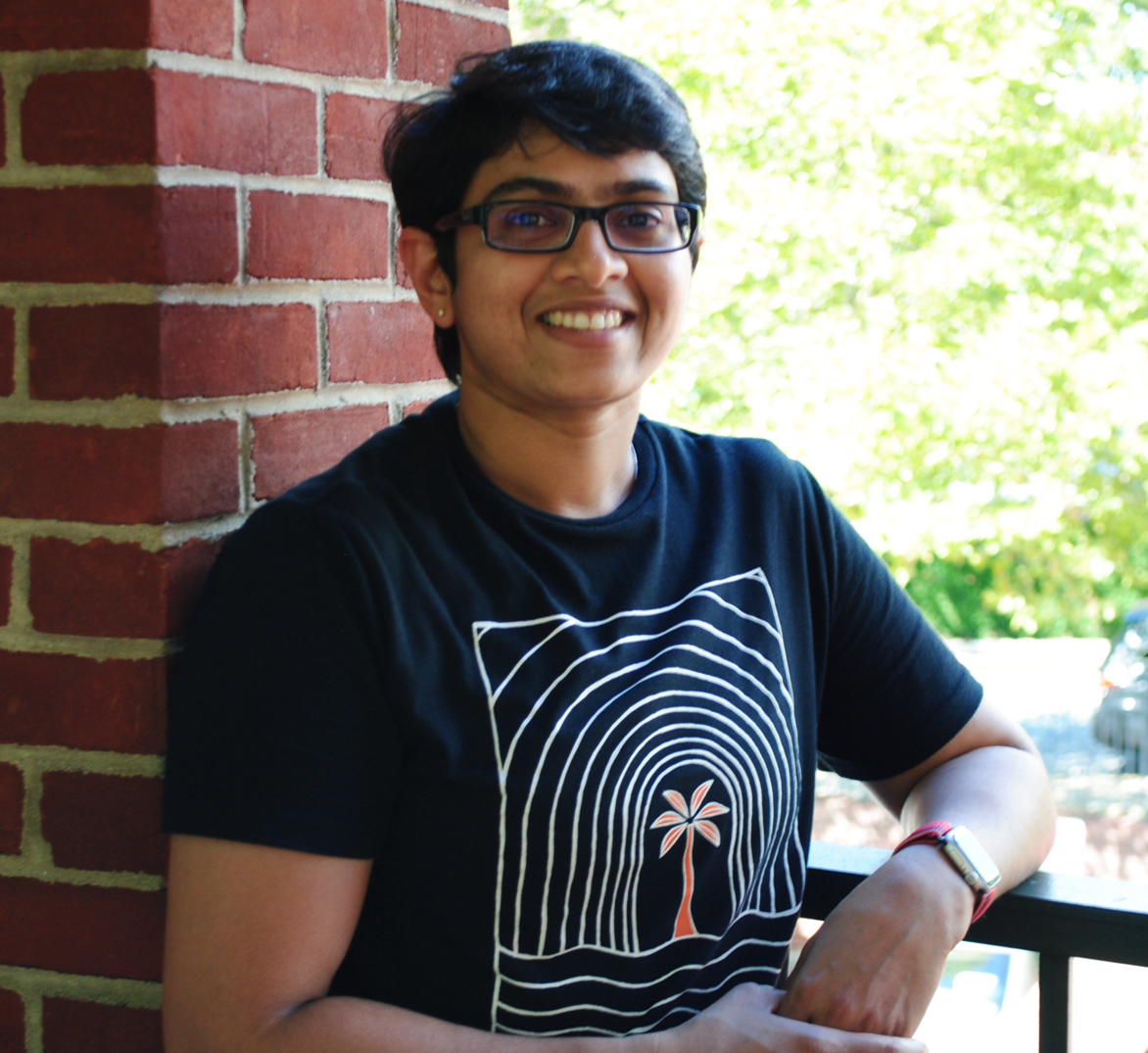
Former Graduate Students

Please send any updates to pp6wr 

  • Sydney Connors

    Undergraduate Student in Biochemistry

    Sydney is an undergraduate student studying biochemistry. She is interested in the intersection of neuroscience and chemistry and wants to pursue a career in research. She is currently working on...

    Read More Sydney Connors
  • Welcome new graduate students

    Welcome to the Venton lab, 2nd year student Sam Webster, and 1st year students Bella Guardado, Leo Venturotti, Rhoda Asiamah, and Ananya Saha.  

  • Bella Guardado

    Bella Guardado graduated from the University of Maryland Baltimore County in 2024 with a Bachelor of Science in Chemistry. Her current research interests are developing novel carbon microelectrodes...

    Read More Bella Guardado
  • Rhoda Asiamah

    Graduate Student in Chemistry

    Rhoda Asiamah graduated from the Kwame Nkrumah University of Science and Technology (KNUST), Ghana in 2023 with a Bachelor of Science in Food Science and Technology. She joined the Venton lab in 2024...

    Read More Rhoda Asiamah
  • Leonardo Venturotti

    Graduate Student in Chemistry

    Leonardo Venutortti graduated from Merrimack College with a B.S. in Biology and a B.A. in Physics. He is currently learning the fundamentals of Fast-Scan Cyclic Voltammetry for dopamine detection...

    Read More Leonardo Venturotti
  • Samantha Webster

    Graduate Student in Chemistry

    Sam Webster graduated from Truman State University in 2023 with a Bachelor of Science in Chemistry and minors in Forensic Science, Military Science, and Spanish. As an undergraduate, Sam researched...

    Read More Samantha Webster
  • Ananya Saha

    Graduate Student in Chemistry

    Ananya Saha is an international student from Bangladesh. She completed her undergraduate studies from Department of Pharmacy, University of Dhaka. She has also completed her Master's studies from the...

    Read More Ananya Saha
  • Welcome Priyansha!

    Priyansha, who earned her PhD in Germany in May 2024, now researches neurotransmitter dynamics in mice as a postdoc. Welcome, and good luck with your studies!

  • Welcome Emily!

    Emily joined our lab as graduate student, and she will be working on fabricating microelectrodes. Welcome Emily!

  • Priyansha Dubey

    Postdoctoral Researcher

    Priyansha obtained her doctorate from the University of Wuerzburg, Germany, in May 2024. During her PhD, she mainly focused on the development and characterization of a novel rat model of dystonia...

    Read More Priyansha Dubey
  • Welcome Faith!

    Faith is a graduate student from Nigeria and obtained her MS at Illinois State University. Welcome Faith!

  • Grace Levitt

    Graduate Student in Chemistry

    Grace Levitt is a graduate student in the Chemistry Department. She graduated with a Bachelor of Science degree in Chemistry and a Bachelor of Arts degree in German from Wofford College in 2023. As an...

    Read More Grace Levitt
  • Emily Miller

    Graduate Student in Chemistry

    Emily Miller graduated from the University of New Haven in 2023 with a B.S. in Forensic Science - Chemistry and a minor in Biology. In the Venton lab, she is studying serotonin uptake in fruit fly...

    Read More Emily Miller
  • Faith Eyimegwu

    Graduate Student in Chemistry

    Faith Eyimegwu earned her Bachelor of Science from the University of Nigeria Nsukka in 2019. She completed a master's degree in 2023 at Illinois State University under Dr. Jun-Hyun Kim, focusing on...

    Read More Faith Eyimegwu
  • Kiersten Angela Kudo

    Undergraduate Student in Chemistry

    Kiersten is a third-year undergraduate student studying chemistry. She is interested in the human brain and wants to pursue a neuroscience research career. She is currently learning the fundamentals...

    Read More Kiersten Angela Kudo
  • Carbon nanospikes (CNSs) are a new nanomaterial that has enhanced surface roughness and surface oxide concentration, increasing the sensitivity for dopamine detection. However, CNS-modified electrodes (CNSMEs) have not been characterized for other neurochemicals, particularly those with higher oxidation potentials. The purpose of this study was to evaluate CNSMEs for the detection of adenosine, hydrogen peroxide (H2O2), and histamine. The sensitivity increased with CNSs, and signals at CNSMEs were about 3.3 times higher than CFMEs. Normalizing for surface area differences using background currents, CNSMEs show an increased signal of 4.8 times for adenosine, 1.5 times for H2O2, and 2 times for histamine. CNSMEs promoted the formation of secondary products for adenosine and histamine, which enables differentiation from other analytes with similar oxidation potentials. CNSs also selectively enhance the sensitivity for adenosine and histamine compared to H2O2. A scan rate test reveals that adenosine is more adsorption-controlled at CNS electrodes than CFMEs. CNSMEs are antifouling for histamine, with less fouling because the polymers formed after histamine electrooxidation do not adsorb due to an elevated number of edge planes. CNSMEs were useful for detecting each analyte applied in brain slices. Because of the hydrophilic surface compared to CFMEs, CNSMEs also have reduced biofouling when used in tissue. Therefore, CNSMEs are useful for tissue measurements of adenosine, hydrogen peroxide, and histamine with high selectivity and low fouling.

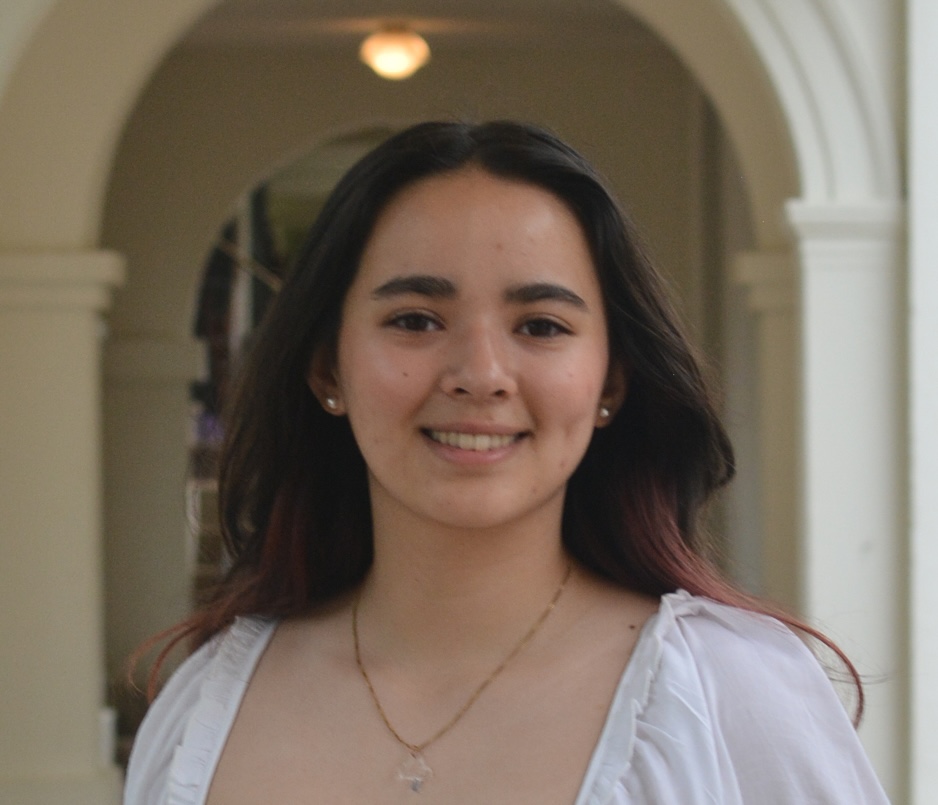
  • Welcome Dayana!

    Dayana Surendran is a microscopy expert/genius who will work on fluorescent imaging and FSCV projects in vivo in mice. Welcome Dayana!

  • Dayana Surendran

    Research Scientist

    Dayana completed her Ph.D. in Biophysics at the National Institute of Mental Health and Neurosciences in India. Her doctoral research revolved around investigating the role of protein kinase C...

    Read More Dayana Surendran
  • Eric Donarski

    Graduate Student in Chemistry

    Eric Donarski graduated from the University of Michigan in 2020 with a B.S. in Biophysics and a minor in Physics. He joined the Venton Lab in May of 2023. In the lab, Eric is using imaging techniques...

    Read More Eric Donarski
  • Welcome Eric!

    Eric Donarski is a PhD candidate interested in imaging and health science policy. We are excited for him to join our biology work. Welcome Eric!

  • Chang, Y.; Cao, Q.; Venton, B. 3D printing for customized carbon electrode. Current Opinion in Electrochemistry 2023.

    Traditional carbon electrodes are made of glassy carbon or carbon fibers and have limited shapes. 3D printing offers many advantages for manufacturing carbon electrodes, such as complete customization of the shape and the ability to fabricate devices and electrodes simultaneously. Additive manufacturing is the most common 3D printing method, where carbon materials are added to the material to make it conductive, and treatments applied to enhance electrochemical activity. A newer form of 3D printing is 2-photon lithography, where electrodes are printed in photoresist via laser lithography and then annealed to carbon by pyrolysis. Applications of 3D printed carbon electrodes include nanoelectrode measurements of neurotransmitters, arrays of biosensors, and integrated electrodes in microfluidic devices.