
Stromal Immune Engineering Lab

Investigating immune-stromal crosstalk in fibrosis and repair

Meet Our Lab

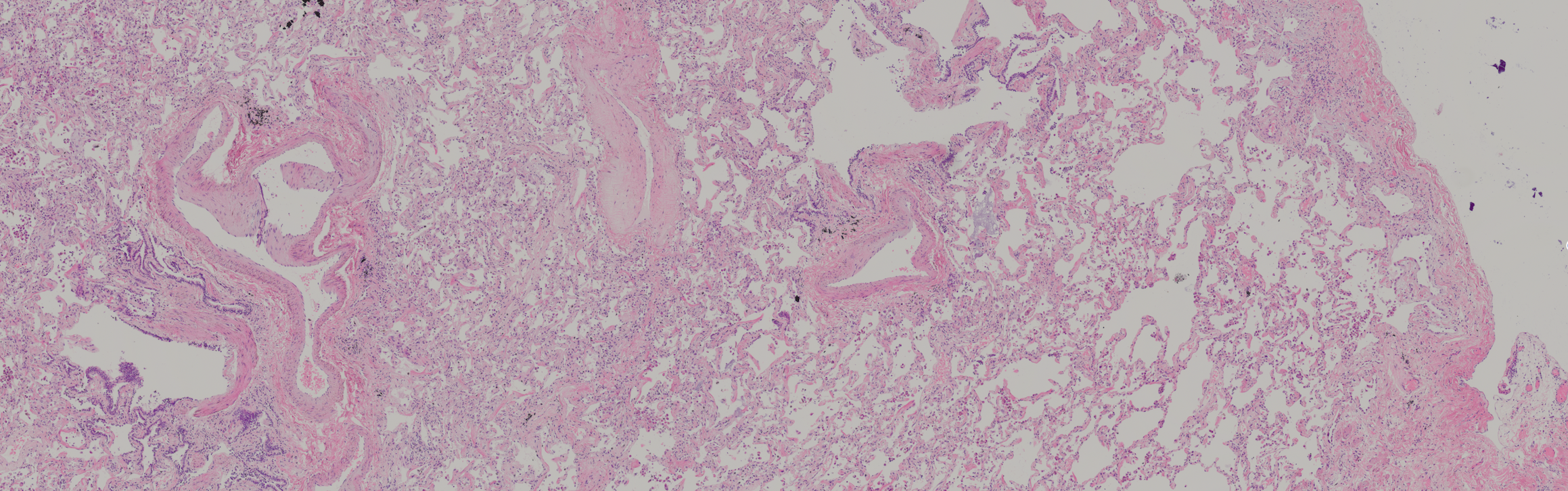
The Stromal-Immunoengineering Lab (SIEL) is focused on investigating immune cell and fibroblast crosstalk in the context of fibrosis and tissue repair by using high dimensional approaches and biomaterial platforms to interrogate the nature of their interactions during tissue fibrosis or tissue regeneration.

Our specific areas of interest are in pulmonary fibrosis, biomaterials-mediated fibrosis, and endometriosis and our goal is to identify key cell populations and signaling pathways that will enable the development novel diagnostic and therapeutic approaches for pulmonary fibrosis, as well as leverage existing biomaterial platforms in order to improve outcomes for biomaterials that are used clinically. Finally, our group engineers biomaterial-based human model system to study fibrotic disorders and identify new therapeutic strategies

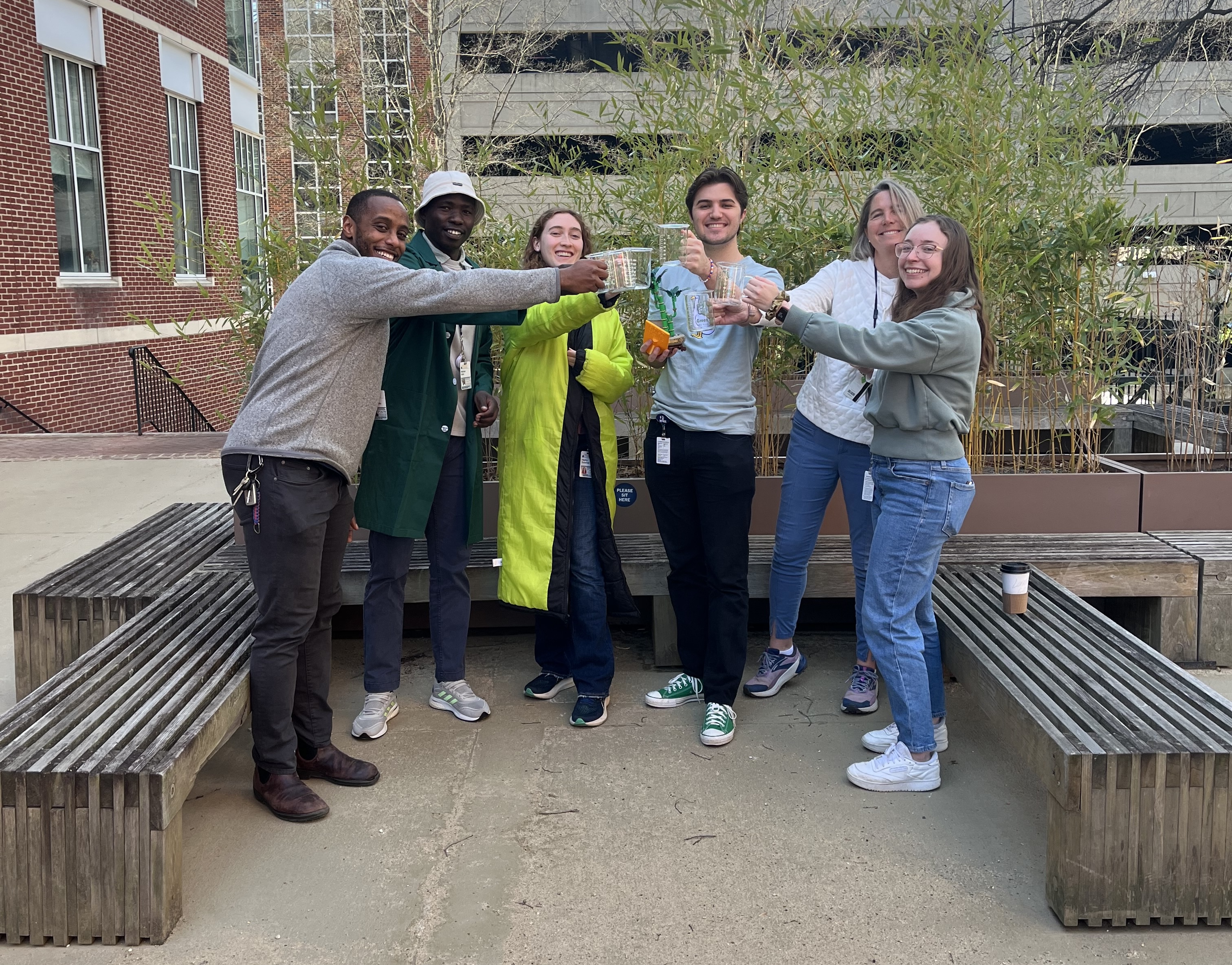
lab outside the hospital

"Science is at its best and most innovative when people from all backgrounds bring new ideas to the table."

Most Recent Publication

Key takeaway

T cells and fibroblasts engage in bidirectional signaling that critically shapes biomaterial‑driven fibrotic encapsulation. Targeting their crosstalk opens new avenues to reduce fibrosis and improve implant performance.

Why it matters

Fibrotic encapsulation isolates implants (stents, sensors, scaffolds), causing failure. While macrophages are well studied, T cell–fibroblast interactions are a major, underappreciated driver of fibrosis.

Main components

  • T cell subsets: CD4+, CD8+, regulatory and tissue‑resident types differentially modulate fibroblast activity.
  • Fibroblast populations: activated myofibroblasts and matrix‑producing subsets respond to immune cues.
  • Signals: cytokines, direct contact, and ECM remodeling create feedback loops driving ECM deposition.